BIOFRAME: Biosecurity on Europe’s non intensive livestock farms
BIOFRAME is developing a comprehensive and adaptable biosecurity improvement framework designed specifically for non-intensive animal farming systems across Europe
Key Outcomes
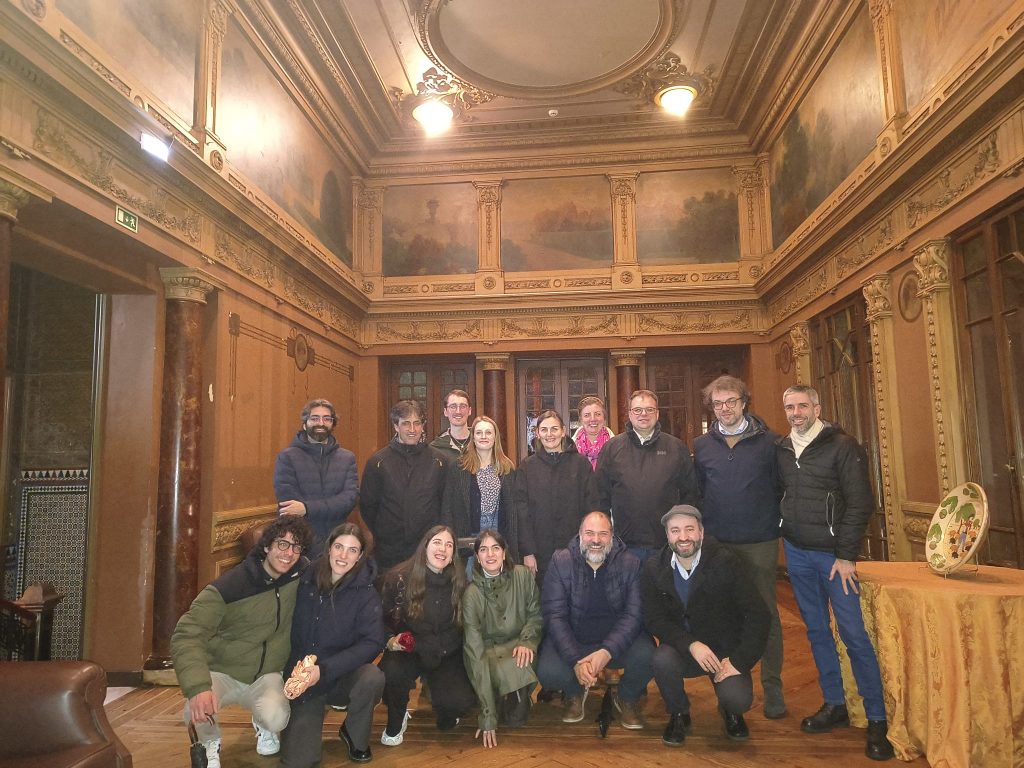
This week the partners of Bioframe met for the kick off meeting at Lusófona University in Lisbon. The weather may not have been kind, but it was great to all get together to hear from each work package and how they are progressing plans for this exciting project.
Watch this space for how you can get involved in workshops or interviews over the coming months to help shape the development of the biosecurity framework.
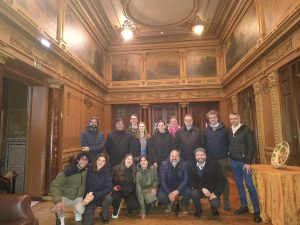
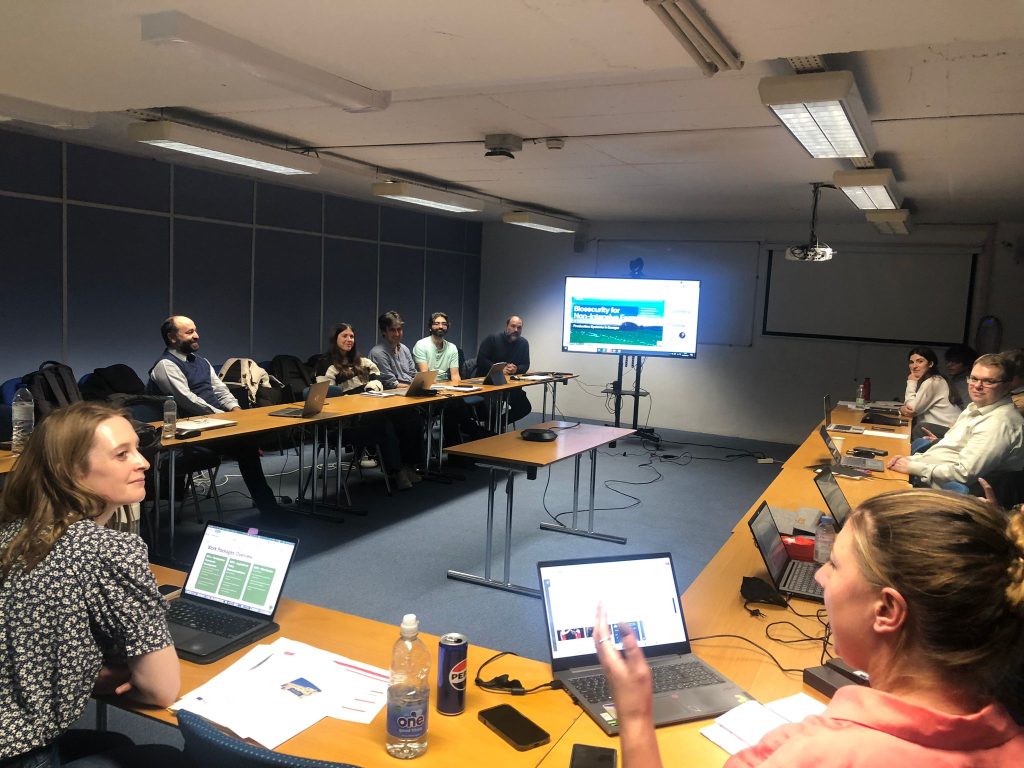
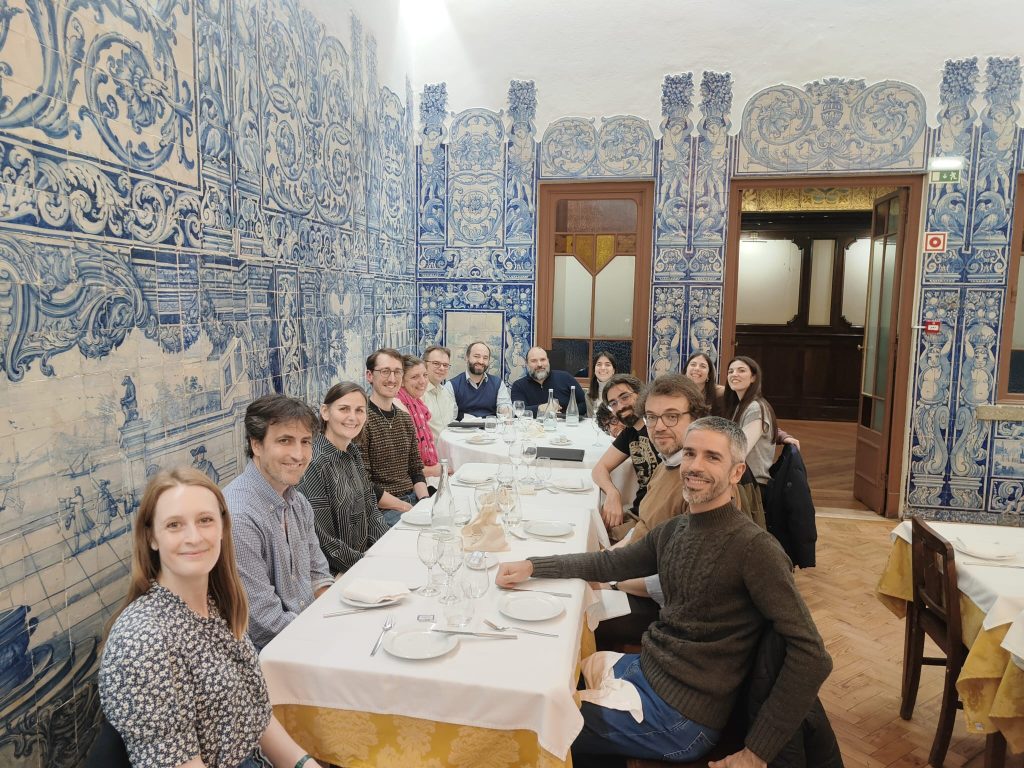
BIOFRAME brings together a consortium of universities, research institutes, and public veterinary bodies, united by a shared commitment to advancing biosecurity in non-intensive livestock systems. Spanning 7 European countries, the partnership combines epidemiology, economics, animal welfare science, social science, and policy analysis to deliver evidence-based, practical biosecurity solutions for farmers, veterinarians, and decision-makers.
The project is coordinated by Ghent University, which ensures effective collaboration, communication, and reporting across the consortium. Ghent University leads project management and plays a key role in stakeholder engagement, legislative analysis, dissemination, and training activities, supporting the translation of scientific outputs into tools that can be applied in real-world farming contexts.
The Universitat Autònoma de Barcelona (UAB) brings strong expertise in veterinary epidemiology, biosecurity, and One Health research. With an internationally recognised research environment, UAB contributes to multiple work packages, including economic analysis and biosecurity assessment. Researchers such as Prof. Alberto Allepuz, with two decades of experience in animal health epidemiology, and colleagues specialising in infectious disease prevention and welfare, anchor BIOFRAME’s scientific foundations. Early-career researchers, including PhD candidates like Georgina Molero, ensure innovation through tailored, farm-level biosecurity research.
Natural Resources Institute Finland (LUKE) leads the bioeconomic analysis, examining the costs and benefits of improved biosecurity measures. LUKE’s multidisciplinary team, led by Prof. Jarkko Niemi and Dr Anna Stygar, integrates economic modelling, digital technologies, and stakeholder input to evaluate how biosecurity investments affect animal health, welfare, productivity, and farm sustainability.
In France, INRAE-ENVT co-leads legislative analysis and pilot studies, working closely with farmers and sector organisations to test and refine the BIOFRAME framework under real production conditions. Complementing this, Italy’s public veterinary authority IZSVe leads the in-depth review of EU and national biosecurity legislation, translating regulatory insights into actionable policy recommendations.
The participatory core of BIOFRAME is driven by COFAC / Lusófona University and the University of Nottingham, co-leading stakeholder engagement, behavioural research, and framework co-design (WP1). Together, the partners ensure that BIOFRAME’s outcomes are scientifically robust, socially grounded, and directly relevant to those responsible for safeguarding animal health and welfare across Europe.
This is your central hub for updates, insights, and results over the next 36 months. This platform will share the news, achievements, and impact of BIOFRAME as the project progresses.
Throughout the project, the website will showcase BIOFRAME’s objectives and key activities, with a strong focus on sharing research and progress. You can expect regular newsletters, progress updates, and features highlighting ongoing work and collaborations. The website will present project deliverables, publications, and practical resources as they become available, ensuring that results are accessible to the livestock industry.
All content, including social media links can be found here. Videos, infographics, and interviews will be used to explain complex topics clearly and engagingly. The website will also promote events, workshops, and dissemination activities, offering opportunities for stakeholders to stay involved and informed.
By bringing together information in one accessible space, we will raise awareness of BIOFRAME’s contribution to animal health and welfare and disseminate key findings to be implemented as soon as possible to better manage the biosecurity on non-intensive livestock systems.